
The Hard Truth: Soft Skills, Policy, and Workplace Culture
Attorney and risk expert Tommie Jo Brode joins Natasha Ozybko to discuss why soft skills are non-negotiable for infrastructure leaders and how to align company policy with actual site practice.
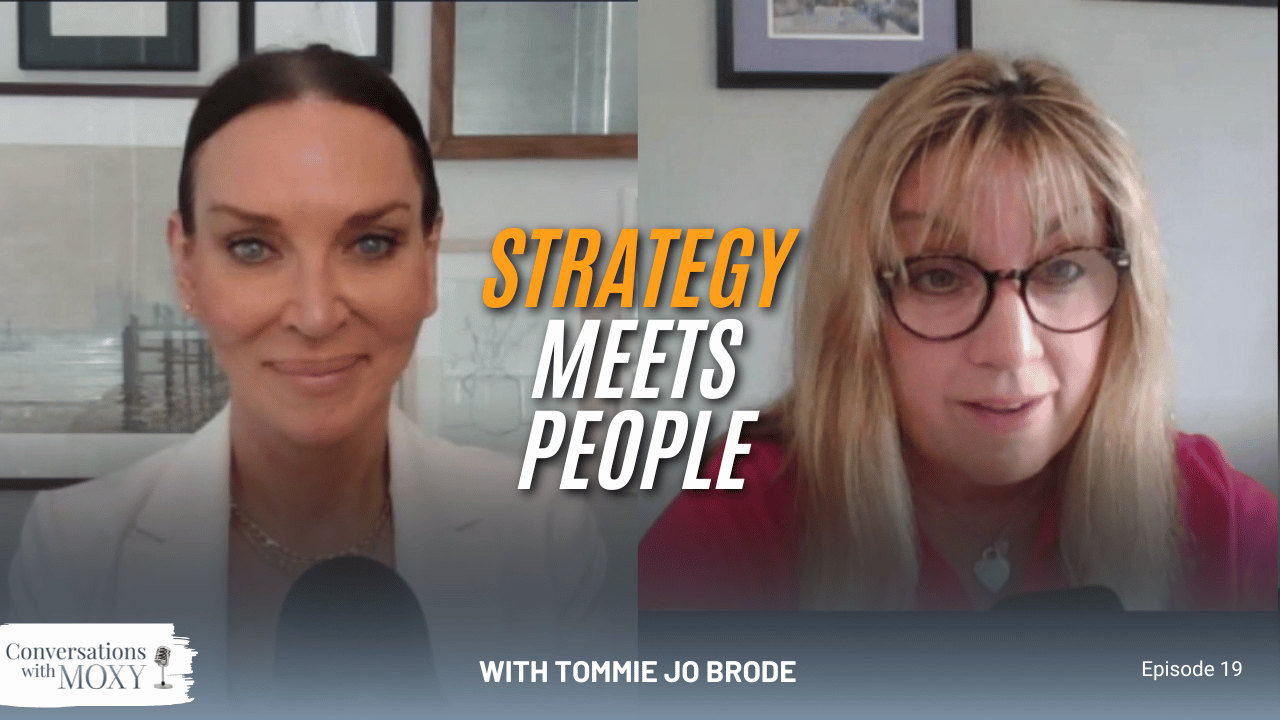
In this nineteenth episode of Conversations with MOXY, host Natasha Ozybko talks with Tommie Jo Brode, the president of Venice Solutions Group. This episode explores the critical role of "soft skills" and workplace culture in the infrastructure sector, providing a bridge between technical expertise and human-centric leadership.
An Extensive Legal and Risk Foundation
Tommie Jo Brode’s background is rooted in the complex worlds of law and infrastructure management. She served as an attorney in both private practice and the prosecutor's office, specializing in complex civil litigation. Brode was a County Commissioner and served as the Director of Risk for the Ohio Turnpike and Infrastructure Commission and she was appointed by the governor to the Ohio Self-Insured Employer Evaluation Board and has managed in-house leave and compensation programs for global manufacturers.
The "Hard Truth" about Soft Skills
Brode argues that the term "soft skills" is often unfairly dismissed, when in reality, they are foundational to professional success.
The Cost of Miscommunication: Most expensive professional problems—from litigation to high turnover—center around a breakdown in basic interpersonal connection and communication.
Institutionalizing "Human" Resources: She urges organizations to remember the "human" in human resources, treating employees with the compassion and respect they would show a neighbor.
"Edutainment" as a Strategy: To make traditionally "boring" topics like EEO training or workers' compensation engaging, Brode utilizes a strategy she calls "edutainment"—making education interactive and relatable to ensure it actually sticks.
Policy vs. Practice: Bridging the Gap
A significant focus of Brode’s work is helping companies move beyond "checking the box" with spiral-bound manuals that nobody reads. She warns leaders that if frontline employees cannot articulate how a process works, a brilliantly written policy is essentially worthless. That lasting change doesn't happen overnight; Brode advocates for identifying specific goals and "chipping away" at problems through regular, one-on-one touchpoints and for culture shifts to be sustainable, senior leadership must be authentically involved and willing to hold themselves, and their "corner offices", accountable.
Conclusion: Proactive Culture is Profitable
Tommie Jo Brode concludes by reminding leaders that it is far less expensive to invest in current employees than to replace them. She urges the MOXY community to use their voices to correct injustices and to remember that "good enough" is a red flag for stagnation. Ultimately, her work proves that an authentic, well-communicated culture is not just a moral goal, but a vital engine for project capacity and long-term profitability.