
Democratizing Success: The New Era of Mentorship
Mentorship expert Stacy Cassio joins Natasha Ozybko to discuss being "mentor-ready," the power of pop-up mentorship, and building inclusive leadership pipelines in construction.
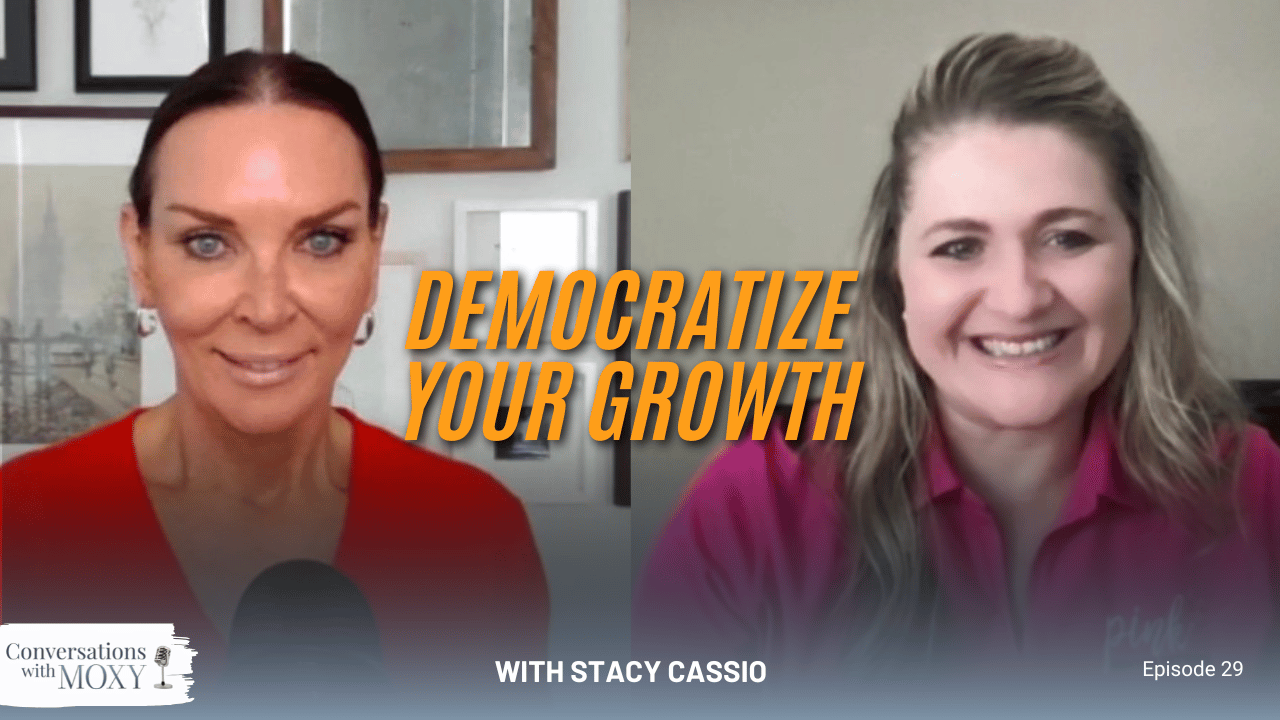
In this twenty-ninth episode of Conversations with MOXY, host Natasha Ozybko sits down with Stacy Cassio, the founder and CEO of Pink Mentor Network. The discussion explores the evolution of mentorship, the critical need to "democratize" professional guidance, and how the infrastructure industry can move away from traditional models to build more inclusive and effective leadership pipelines.
Redefining Mentorship for the Modern Workforce
Stacy Cassio’s journey into the mentorship space began after she realized that the traditional, "one-to-one" long-term mentorship model was often exclusionary and difficult to scale. She discusses how many professionals wait for a mentor to "pick them," leading to a dynamic where individuals who don't fit the traditional mold are often left behind.
She founded the Pink Mentor Network to provide a more accessible, community-based approach to professional growth. Cassio emphasizes that mentorship should be a "consumable resource" rather than a rare reward. Her mission is to teach people how to seek out advice and expertise from multiple sources, allowing them to build a "mosaic" of support that fits their specific career needs.
The "Mentor-Ready" Professional
A major theme of the episode is the shift from passive to proactive career management. Cassio introduces the concept of being "Mentor-Ready".
Defining the Need Instead of looking for a "mentor" in a general sense, Cassio advises professionals to identify a specific skill or challenge they need help with.
The "Pop-Up" Mentorship She encourages the use of short-term, goal-oriented interactions—asking for 20 minutes of someone's time to discuss a targeted problem—which lowers the barrier for busy executives to say yes.
Value Exchange Cassio notes that mentorship is a two-way street; mentees should bring fresh perspectives, tech-savviness, or insights into the younger workforce to their mentors in exchange for their experience.
Mentorship as a Retention Tool in Infrastructure
Ozybko and Cassio discuss the unique challenges of the infrastructure and construction sectors, where "tribal knowledge" is often the key to advancement. Cassio argues that formalizing and democratizing this knowledge exchange is the most effective way to address the industry's labor and diversity gaps.
Breaking the "Old Boys" Loop Traditional mentorship often happens naturally between people who share similar backgrounds. By creating structured mentorship programs, companies can ensure that women and minorities have equal access to the internal politics and technical secrets needed to succeed.
The Power of Peer Mentoring She highlights the value of peers mentoring each other, sharing "lessons learned" from the field or the office to build collective resilience.
Measuring Impact Cassio encourages leaders to move beyond tracking the number of mentorship pairs and start measuring the impact on retention and internal promotion rates.
Stewardship and the Next Generation
The conversation reinforces the "MOXY" through-line of stewardship. Cassio posits that once a professional gains experience, they have an obligation to "document and share" their path. She challenges senior leaders to stop viewing themselves as "gatekeepers" and start seeing themselves as "gate-openers," intentionally creating paths for younger talent to surpass them.
Conclusion: Build Your Own Network
Cassio concludes by urging the MOXY community to take ownership of their professional development. She reminds women in infrastructure that "you don't need a formal invitation to learn from others". Her final advice to executives is to invest in mentorship not as a "social program," but as a core business strategy to protect the company's most valuable asset: its institutional knowledge.