
Grit and Grace: Estimating, Engineering, and Field Realities
Project manager Dee Durant joins Natasha Ozybko to discuss the realities of field work for women, the porta-potty problem, and the power of relentless curiosity in construction.
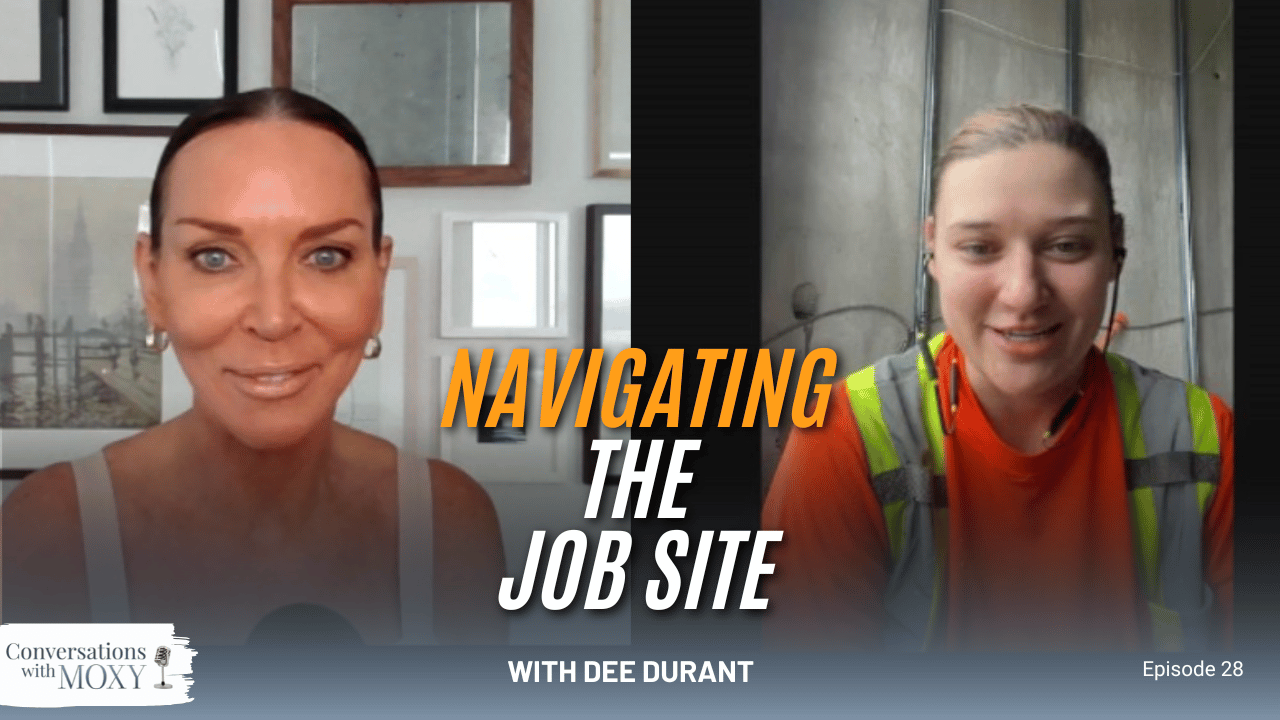
In this twenty-eighth episode of Conversations with MOXY, host Natasha Ozybko speaks with Dee Durant, an experienced project manager and estimator in the heavy civil construction industry. The discussion centers on the physical and psychological realities of working in the field, the critical need for mentorship, and the importance of self-advocacy in a sector that is traditionally male-populated.
A Lifetime in Heavy Civil
Dee Durant has spent her career in the nitty-gritty sectors of infrastructure, moving from administrative roles into the highly technical fields of estimating and project management. She discusses the unique pride that comes with building tangible assets like roads and bridges, noting that her interest was piqued early on by a curiosity about how massive projects come together.
Durant emphasizes that her transition into technical roles required a "thick skin" and an relentless pursuit of knowledge. She found that she often had to go the extra mile—asking hundreds of questions and spending extra time on-site—to earn the technical respect that her male peers were often granted by default.
The Reality of Field Work for Women
A core theme of the conversation is the daily lived experience of women on construction sites. Durant and Ozybko discuss the persistent logistical hurdles that remain in 2024:
The "Porta-Potty" Problem Durant highlights that basic hygiene facilities are still a major barrier for women in the field. She notes that having clean, accessible, and private restrooms is not a "luxury" but a fundamental safety and health requirement.
PPE and Safety Gear Mirroring previous episodes, Durant discusses the frustration of wearing gear designed for men, which is not only uncomfortable but can be a safety hazard when it doesn't fit properly.
Social Isolation She speaks candidly about the "loneliness" of being the only woman on a site and the mental energy required to navigate a culture that often uses exclusionary language.
Mentorship as a Survival Strategy
Ozybko and Durant explore the transformative power of mentorship. Durant notes that her career took off when she found mentors—both men and women—who were willing to share their "tribal knowledge" and provide her with a safe space to fail and learn.
Asking the "Dumb" Questions She encourages younger women to be "relentlessly curious" and to never apologize for asking questions that help them understand the technicalities of the build.
Building Alliances Durant emphasizes that an ally is someone who doesn't just give advice but actively supports your presence on the job site when others question it.
Succession Planning She challenges senior leaders to intentionally pair junior female talent with experienced field veterans to bridge the "skills gap" and reduce attrition.
Self-Advocacy and Reclaiming Space
The conversation reinforces the "MOXY" through-line that women must be their own biggest advocates. Durant argues that women should stop waiting for permission to "take up space" and instead show up with the confidence that their expertise is essential to the project's success. She posits that while the system needs to change, women can drive that change by being undeniable in their performance and unwavering in their demand for respect.
Conclusion: Value the Person, Not the Label
Durant concludes by urging the industry to move past gendered labels and focus on the human individual performing the work. She reminds senior leaders that in a massive labor shortage, the "cheddar" (referencing Episode 11's analogy) of female talent is waiting to be utilized—if the environment is safe enough for them to stay. Her final advice to the community is to "stay gritty" and remember that you are building the future, one project at a time.