
Beyond the Buzzword: Strategic Inclusivity and the Future of DEI
Strategist Lisa Lark joins Natasha Ozybko to discuss the shifting landscape of DEI, the business value of diverse perspectives, and practical steps for fostering inclusivity.
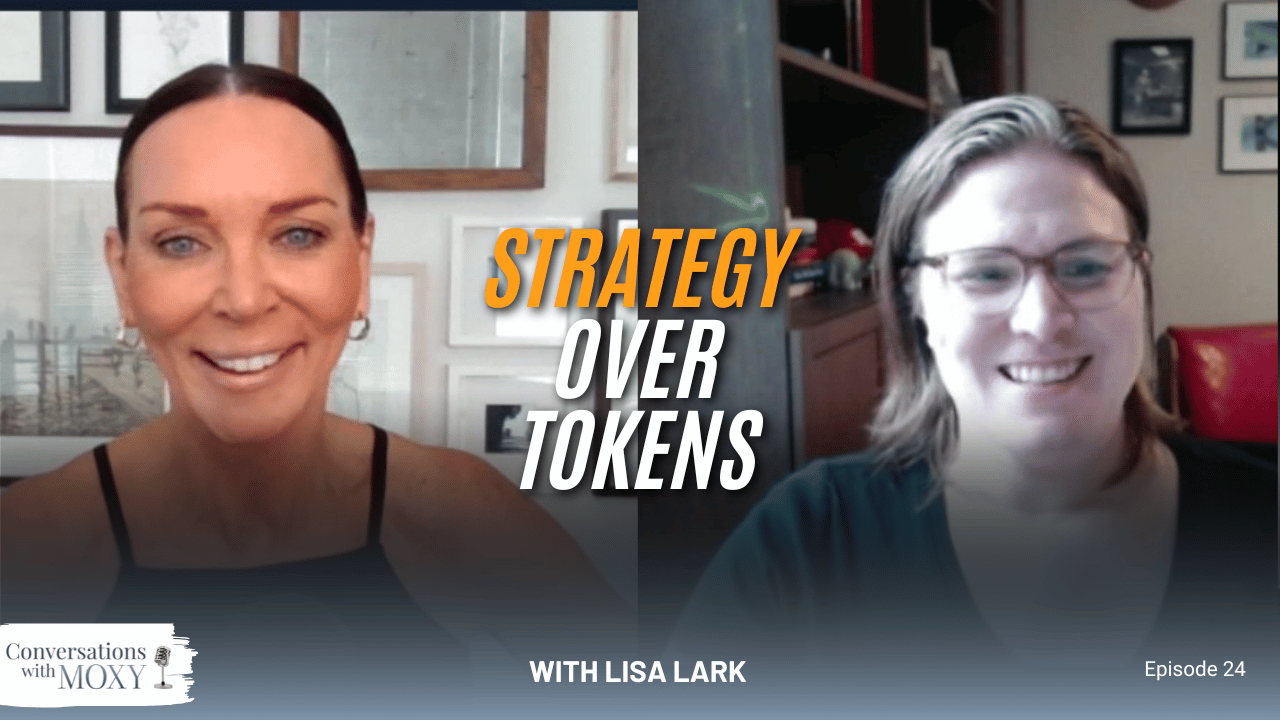
In this twenty-fourth episode of Conversations with MOXY, host Natasha Ozybko sits down with Lisa Lark, founder and CEO of Lisa Lark Communications. A skilled strategist and storyteller based in Michigan, Lisa has over fifteen years of experience building customized communication plans that drive business objectives. The discussion re-evaluates the evolving landscape of Diversity, Equity, and Inclusion (DEI), the impact of recent legal shifts, and practical ways to foster inclusivity in the modern workforce.
The Shifting Tides of DEI
Lisa Lark wrote an article for MOXY titled "The Deal with DE&I" when the platform launched in September 2021. Since then, the political and professional climate has shifted significantly.
Increased Scrutiny: Recent Supreme Court decisions, such as the overturning of affirmative action, have led to more public skepticism and less outward investment in formal DEI roles like Chief Diversity Officers.
Political Polarization: The concept of diversity has become a polarizing "no word" in some circles, leading to a hesitancy for large multinational companies to speak publicly on these initiatives.
The Business Case Remains: Despite the pushback, data continues to prove that diverse workforces are more creative, more innovative, and return approximately 19% more profit than less inclusive competitors.
Broadening the Definition of Diversity
A recurring theme in the conversation is that diversity is often misunderstood as being limited to quotas or specific demographics. Lisa points out that even a worksite that appears uniform may contain vast diversity in terms of age, religion, socioeconomic status, educational background, and veteran status. She advocates for a shift in focus toward equity and inclusion, ensuring that every individual—regardless of their background—feels heard, respected, and safe in their workplace.
Strategic Implementation and Practical Steps
For inclusivity to be sustainable, it cannot be a siloed "check-the-box" activity; it must be an integrated business objective with leadership support.
Asking the Workforce The most critical first step is assessing the actual needs and pain points of employees through surveys and one-on-one feedback.
Bite-Sized Changes Real inclusivity often happens through small, intentional adjustments, such as using gender-neutral language in job postings or changing email formatting to accommodate colorblind colleagues.
Inclusive Logistics Creating a safe workspace involves recognizing different learning styles and life requirements, such as neurodiversity or flexible meeting times for those managing childcare duties.
Conclusion: Integrating Strategy with Empathy
Lisa concludes that the ultimate goal of any inclusivity program is to help both the workforce and the company succeed together. By moving past polarizing language and focusing on empathy and pluralism, senior leaders can build authentic cultures that attract top talent and drive long-term profitability.