
Under Pressure: Resilient Leadership and Combat Engineering
Retired Navy Captain Jen Donahue joins Natasha Ozybko to discuss leading under fire, overcoming perfectionism, and the shift to human-centric leadership in infrastructure.
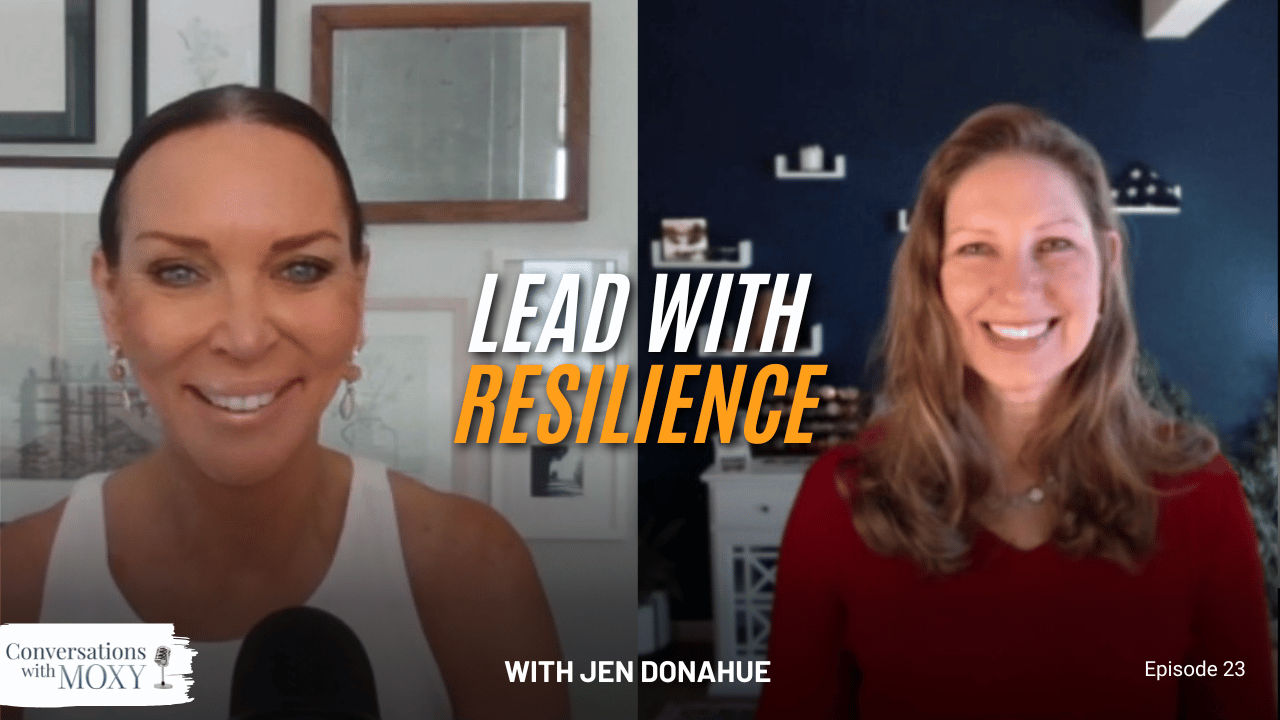
In this twenty-third episode of Conversations with MOXY, host Natasha Ozybko talks with Jen Donahue, a retired U.S. Navy Captain, civil engineer, and founder of JL Donahue Engineering. The conversation explores Donahue’s extraordinary journey leading military construction projects in high-pressure combat zones, the psychology of leadership under fire, and the essential shift from perfectionism to "resilient leadership" in the infrastructure sector.
From Combat Engineering to Executive Leadership
Jen Donahue spent 25 years in the Navy Civil Engineer Corps, leading the "Seabees" on projects across the globe, including deployments to Iraq and Afghanistan. Her experience managing large-scale infrastructure projects in volatile environments provided her with a unique perspective on the intersection of technical precision and human resilience.
Donahue discusses how her military background taught her that leadership is less about having all the answers and more about the ability to build a team that can adapt when plans inevitably fail. She emphasizes that in combat engineering, "good enough today is better than perfect tomorrow," a mantra that she now applies to helping corporate leaders overcome the paralyzing effects of perfectionism.
The Resilience Paradigm
A central theme of the episode is the necessity of resilience as a core leadership competency. Donahue argues that the infrastructure industry is often plagued by a fear of failure, which leads to stalled decision-making and burnout.
Overcoming Perfectionism Donahue shares that many high-achieving women feel they must be 100% perfect to be respected. She encourages them to "fail forward," recognizing that mistakes are the data points needed for future success.
The "Lighthouse" Leader She introduces the concept of the leader as a lighthouse—staying grounded and providing a steady signal of direction even when the "storm" of a project crisis is swirling around them.
Psychological Armor Donahue posits that building mental toughness involves unmasking vulnerabilities rather than hiding them. By being authentic about challenges, leaders foster a culture of trust and safety.
Leading in a Male-Populated Space
Ozybko and Donahue discuss the parallels between the military and the construction industry, both being heavily male-populated environments. Donahue notes that her success as a female Captain came from leaning into her unique strengths—empathy and collaboration—rather than trying to mimic the traditional "command and control" style of her male counterparts.
She challenges the "othering" of women in these fields, suggesting that when a woman leads with confidence and technical competence, she becomes an undeniable asset that shifts the culture by example. However, she acknowledges the heavy "energy tax" women pay to prove themselves and advocates for intentional mentorship to help younger women manage this burden.
The Business Value of Adaptability
The conversation reinforces the MOXY through-line that intentional culture drives the bottom line. Donahue explains that companies that prioritize adaptability and "human-centric" leadership are more profitable because they experience less turnover and fewer safety incidents. She encourages senior leaders to treat their workforce as their "most complex and valuable equipment," requiring regular maintenance, investment, and clear communication.
Conclusion: Take the Lead
Jen Donahue concludes by urging women in infrastructure to stop waiting for a "title" to act like a leader. She reminds the community that "leadership is a behavior, not a position". Her final advice to executives is to empower their teams to make decisions at the lowest possible level, fostering a sense of ownership that transforms employees from "workers" into "problem solvers".