
Demystifying the Build:Operational Equity and Infrastructure Branding
ANX CEO Bisa Grant joins Natasha Ozybko to discuss demystifying infrastructure, operationalizing diversity, and the transition from mentorship to sponsorship.
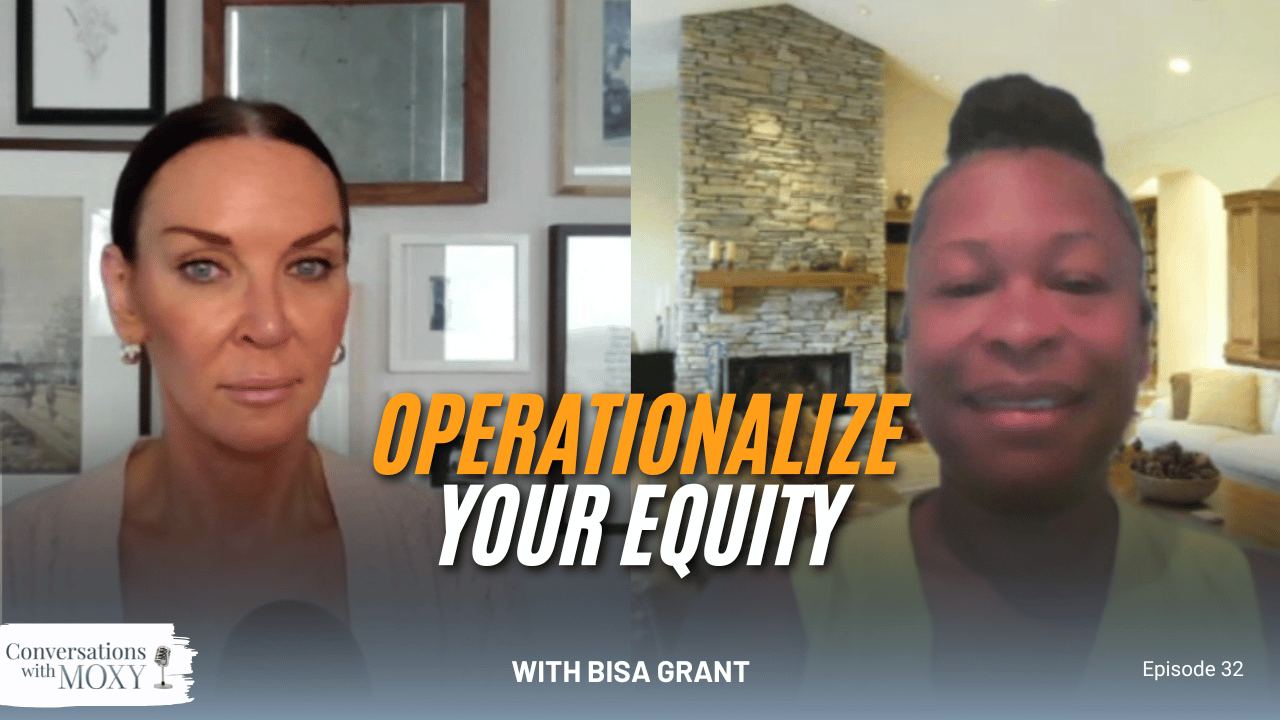
In this thirty-second episode of Conversations with MOXY, host Natasha Ozybko speaks with Bisa Grant, the CEO of ANX. The discussion focuses on the critical need to "demystify" the infrastructure industry, the importance of operationalizing diversity, and how intentional leadership can create high-performance cultures that retain underrepresented talent.
Redefining the Infrastructure Narrative
Bisa Grant’s career is dedicated to the "business of building"—not just the physical structures, but the teams and systems that make them possible. As CEO of ANX, she works at the intersection of architecture, engineering, and construction, helping firms navigate complex project management and community engagement.
Grant argues that the industry has a "branding problem". For too long, infrastructure has been viewed as an invisible or "dirty" sector. Her mission is to demystify the field for younger generations and women, highlighting that infrastructure is the bedrock of society and offers high-tech, high-impact career paths. She emphasizes that the industry must start telling better stories—moving from "what we build" to "how we change lives".
Operationalizing Diversity and Inclusion
A central theme of the episode is the shift from performative DEI to operationalized equity. Grant argues that diversity should not be a standalone department but a core component of how a business operates, from procurement to project delivery.
Beyond the Quota Grant posits that simply meeting a "minority participation" goal is the bare minimum. True success occurs when diverse firms are given high-value scopes of work that allow them to build capacity and scale.
Cultural Alignment She stresses that "culture is what happens when no one is looking". Senior leaders must ensure that their inclusive rhetoric matches the daily reality of the job site and the site trailer.
The ROI of Inclusion Grant reinforces the MOXY through-line that diverse teams are more innovative and profitable because they bring a wider range of risk-assessment and problem-solving perspectives to the table.
Leadership as Stewardship
Ozybko and Grant explore the concept of leadership as stewardship. Grant believes that as a CEO, her primary job is to create an environment where others can thrive.
Mentorship vs. Sponsorship Grant echoes a recurring series theme: women need sponsors—people with power who will put their reputation on the line to award them opportunities.
Empowering the "Middle" She discusses the importance of training middle management, noting that they are the primary gatekeepers of culture. If supervisors aren't bought into inclusion, executive vision will always fail at the field level.
Radical Transparency She advocates for open communication about project goals, financial health, and advancement paths to build deep trust within the organization.
The Future of Infrastructure: Tech and Talent
The conversation touches on the rapid technological evolution of construction. Grant highlights that as the industry adopts BIM, AI, and sustainable building materials, it becomes more attractive to a diverse talent pool. However, she warns that tech is only a tool; the industry's survival depends on its ability to humanize the workplace and solve the ongoing labor crisis through intentional recruitment of women and people of color.
Conclusion: Lead with Purpose
Grant concludes by urging women in infrastructure to "own their expertise" and lead with purpose. She reminds the community that they are not just "filling a seat," but are essential architects of the built environment. Her final advice to senior executives is to move beyond the fear of change and embrace diversity as their greatest competitive advantage: "Building the future requires a team that looks like the future".