
Architect of the Site:Field Leadership and Mental Health
Project superintendent Kabri Lehrman-Schmid joins Natasha Ozybko to discuss the human side of construction safety, the Superintendent as a coach, and building inclusive site cultures
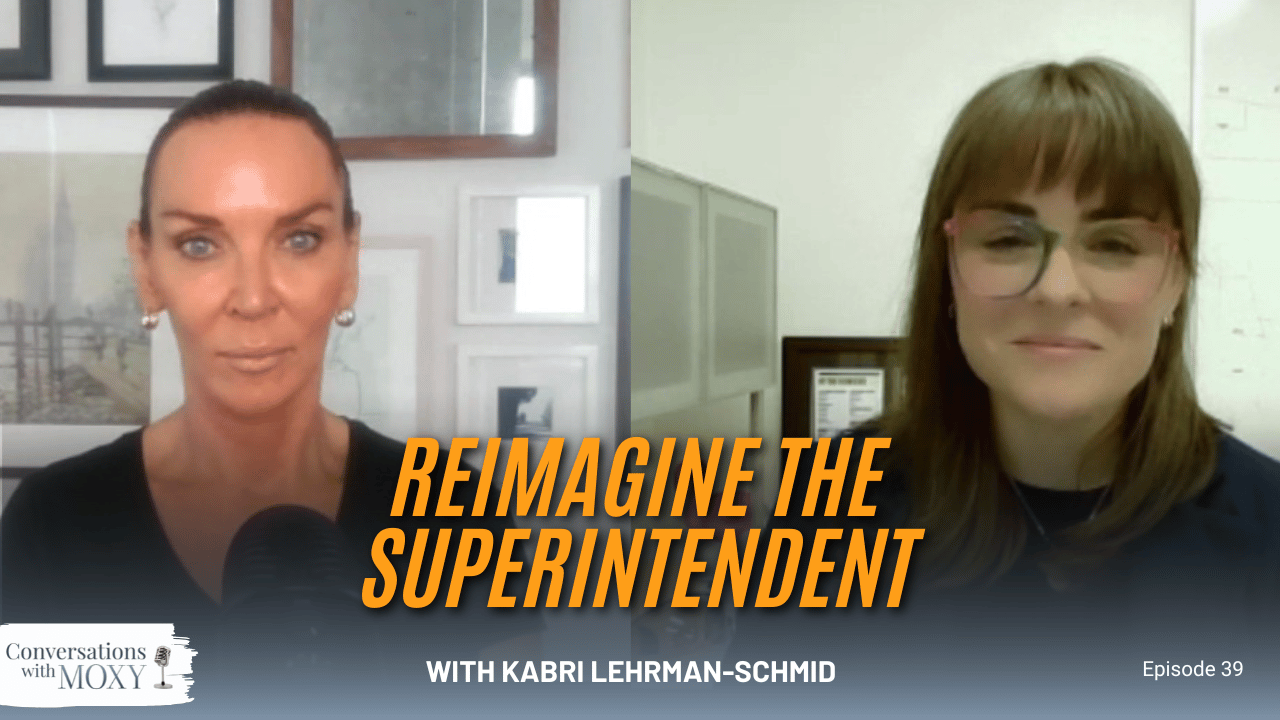
In this thirty-ninth episode of Conversations with MOXY, host Natasha Ozybko talks with Kabri Lehrman-Schmid, a project superintendent at Hensel Phelps. The discussion centers on the evolving role of the superintendent, the integration of mental health awareness into safety culture, and how to foster high-performance teams through inclusive leadership on the job site.
From Architecture to Field Leadership
Kabri Lehrman-Schmid’s path to superintendent was unconventional, beginning with an educational background in architecture. She realized early in her career that her true passion lay in the execution of design—the tangible process of building—which led her to transition from the office to the field.
She discusses the immense responsibility of the superintendent role, which involves managing the schedule, budget, and safety of hundreds of workers on complex projects. Lehrman-Schmid emphasizes that technical credibility is the "entry fee" for women in field leadership, but true success comes from mastering the human dynamics of the site. She advocates for a superintendent model that moves beyond traditional "command and control" toward a style rooted in coaching and active listening.
Safety 2.0: Integrating Mental Health
A core theme of the episode is the critical evolution of safety culture in construction. Lehrman-Schmid argues that physical safety and psychological safety are inextricably linked.
The "Whole Person" Safety Model She posits that if a worker is distracted by mental health struggles or financial stress, they are a physical hazard on the job site.
Normalizing Vulnerability Lehrman-Schmid discusses her work in "toolbox talks" that address suicide prevention and mental health, challenging the "tough guy" stigma that has historically prevented workers from seeking help.
Inclusive PPE She echoes a recurring series theme, noting that provide properly fitting gear for all body types is a fundamental safety requirement that signals respect and belonging.
Building a Culture of Belonging
Ozybko and Lehrman-Schmid explore the superintendent’s role in shaping site culture. Lehrman-Schmid believes that a superintendent must be the "cultural architect" of the project. She advocates for a site environment that is professional, welcoming, and free of exclusionary language - dismantling the "Bro" culture. She shares that when workers feel respected as individuals, productivity increases and conflict decreases and when it comes to mentorship, she stresses the importance of senior field leaders intentionally mentoring women and people of color, ensuring they are integrated into the "tribal knowledge" networks that drive advancement.
Advocacy as Professional Responsibility
The conversation reinforces the "MOXY" through-line of advocacy. Lehrman-Schmid views her visibility as a female superintendent as a responsibility to help others "see what they can be". She discusses her active involvement in industry organizations and her commitment to sharing her journey publicly to encourage more women to pursue careers on the tools and in field management.
Conclusion: Lead with Humanity
Lehrman-Schmid concludes by urging the industry to "lead with humanity". She reminds senior leaders that while technology and data are important, construction remains a human-driven business. Her final advice to the community is to "be brave enough to be kind," noting that empathy is the most powerful tool for building a resilient, high-performing workforce.