
The Leaky Pipeline: Resilience and the Cost of Construction Culture
Quantity surveyor and expert witness Faye Allen joins Natasha Ozybko to discuss the "leaky pipeline" for women in construction and the necessity of active male allyship.
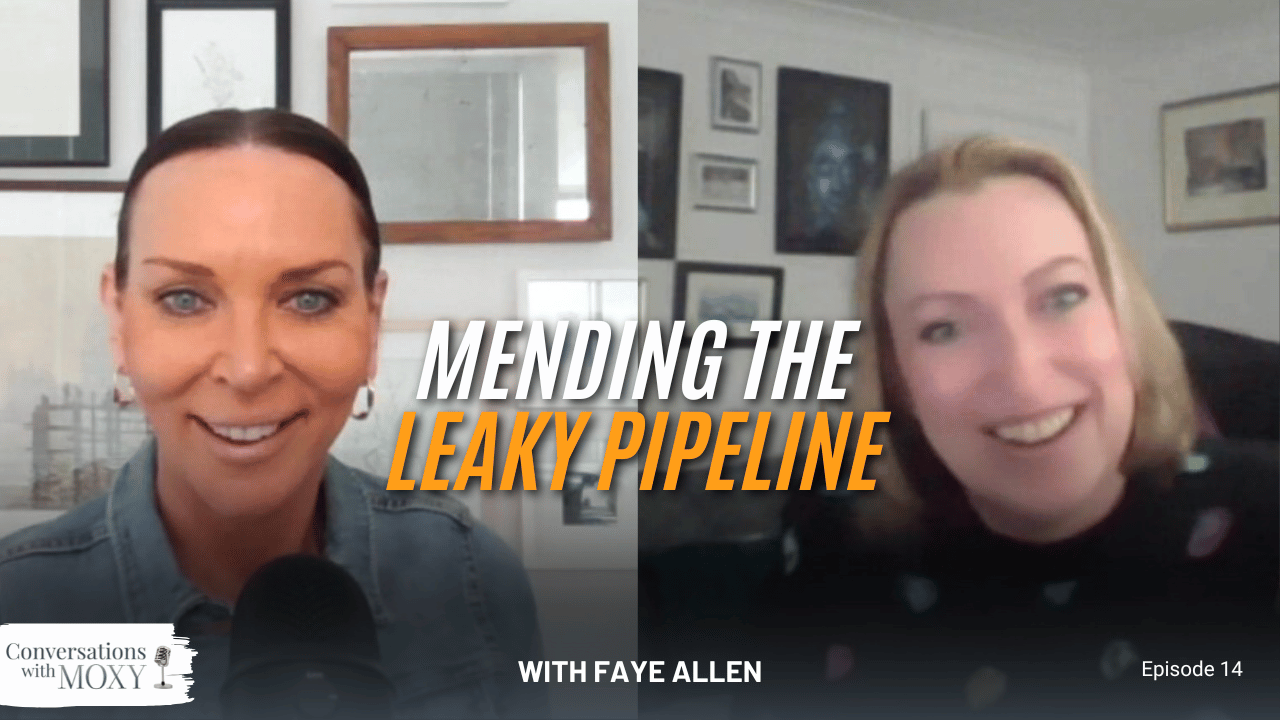
In the fourteenth episode of Conversations with MOXY, host Natasha Ozybko connects across “the pond” with Faye Allen, an expert witness and quantity surveyor from Oxfordshire, UK, who has dedicated 30 years to the construction industry. The discussion centers on the power of storytelling to dismantle systemic toxicity and the vital role of active male allyship in retaining women in infrastructure.
A Legacy of Construction
Faye Allen attributes her career to her father, an estimator who first introduced her to the field when she was a teenager. Her interest was solidified during a site visit to a Tudor manor house being renovated, an experience that led her to train as a quantity surveyor at the age of 18.
Allen eventually pivoted into dispute resolution, where she now serves as an expert witness for litigation and arbitration. Despite her professional success, she candidly shares the "horrible" experiences of her early career—including being the only woman on high-profile sites like Wimbledon and facing direct hostility from men who questioned her presence.
The Leaky Pipeline and Systemic Inequity
A central theme of the conversation is the "leaky pipeline" problem in construction. Allen cites research from the Royal Institution of Chartered Surveyors (RICS) showing that while men maintain chartered membership for an average of 28 years, women drop out after 16 years.
To understand this attrition, Allen conducted a survey of over 300 women in construction. Her findings highlight persistent systemic issues:
The "Othering" of Women Ozybko shares a personal anecdote of a colleague telling her she'd be "the smartest person in the room" if her name were "Nick," a sentiment that reinforces women's status as outsiders.
Inadequate Facilities Allen discusses the ongoing struggle for properly fitting PPE and basic necessities like functioning, accessible restrooms for women on site.
Silenced Experiences Many women are bound by Non-Disclosure Agreements (NDAs), preventing them from sharing the negative experiences that forced them out of the industry.
Active Allyship as the Solution
Allen is writing a book that aims to give a voice to these women while providing a roadmap for change. She emphasizes that the culture will only transform when men become active participants in the conversation.
A key takeaway for male leaders is the distinction between passive and active allyship. Allen argues that it is a man's responsibility to intervene in real-time—such as stopping an interruption in a meeting—rather than offering sympathy after the fact.
She also encourages men to reconsider their "advantages" (a softer alternative to the term "privilege"). By recognizing that different intersections of identity—such as being a woman of color or having a disability—come with unique hurdles, men in leadership can begin to create more equitable environments.
Conclusion: Reframing the Struggle
The episode concludes with a call to "stop preaching to the converted.". Allen and Ozybko agree that while women must support one another, the business case for diversity is the most effective tool for gaining male buy-in. By humanizing the workforce and treating respect as an "active verb," the industry can begin to mend its toxic culture and retain the talent it desperately needs to survive.